


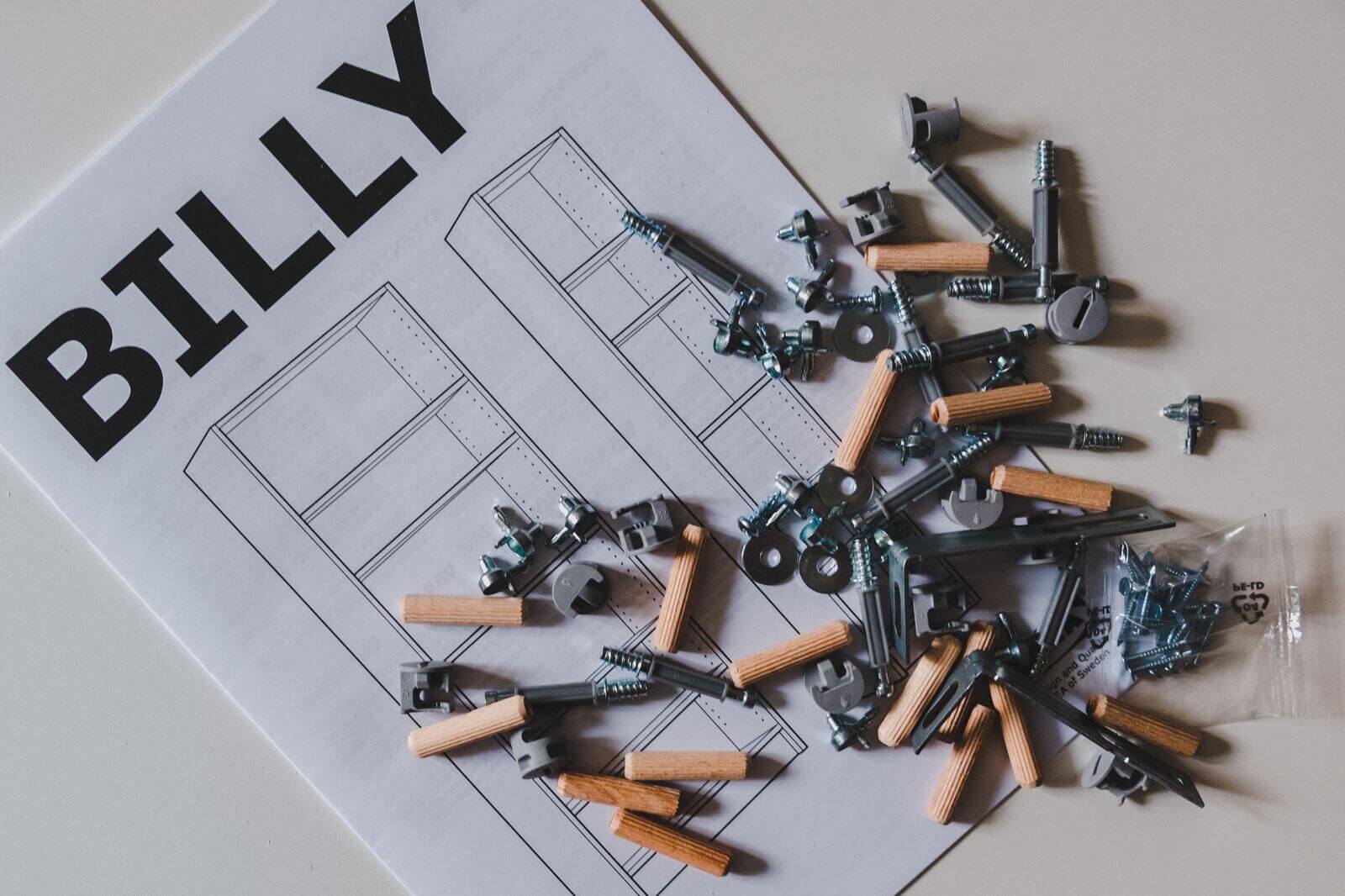
With the media still awash with tales of retail doom and gloom, it was rather nice to see news of IKEA's 22nd store opening, in Greenwich earlier this year. IKEA is, without doubt, a colossal retail success story and it is heartening to see that success continue - it seems - unaffected by the threat from online (chiefly Amazon, of course).
IKEA has always been an in-store first kind of retailer and maybe that is the key to its ongoing success. That vast store estate complete with restaurants and creches - is after all a considerable advantage over any online furniture retailer.
But IKEA has never stood still. As former global head of eCommerce, Jonas Hessler recently pointed out, constant innovation is in IKEA's DNA, and is crucial to its ongoing success story.
This is a brand that knows more than most: that retail today is about experience - delivering relevant, novel experiences and services that speak directly to customer needs and desires.
The new store in Greenwich is a case in point. For instance, it's not exactly out of town like most IKEA stores, so customers are encouraged to ditch the car and visit by public transport. But lugging flat pack furniture home on the tube would be no fun so customers can simply buy in-store and have their purchases delivered - via a fleet of electric delivery vans and bikes.
That also hints at a sustainability message, which is solidified by the store's solar panels, which will provide 50%-80% of its energy.
Then there is a roof terrace with views across the Thames - available for hire - and 'Learning `Lab' workshop events, some of which will focus not on how to build IKEA furniture, but on how to take it apart. That is aimed directly at London's sizable home rental population - so directly addresses a real customer need.
Of course, those are just a few examples, but there can be no doubt that IKEA's success has always been driven by innovation. As Hessler put it: "Always innovate, especially when you don't need it, and find a way to make more of the talent at your disposal."
He's right of course. After all, in an age of experience innovation, there can be no standing still.
Which leaves me wondering what's next for IKEA. How will it further enhance that in-store experience and will it find ways to usefully connect online and offline experiences - for instance by offering useful online features for customers browsing on mobile while in-store?
For more information on how to improve your omnichannel strategy to optimise customer experience, get in touch.
When customer experience optimisation is concerned, what is practical personalisation, and more importantly, what is it not?
I met the daftest store assistant in the world the other day. Having visited a furniture store to look at beds I popped back for another look, and the conversation went like this:
Fortunately, this was not a real person. It was an online retail brand that had, like most online retailers, totally failed to make any useful connection between my various sessions on the site.
That might seem trivial, but there can be no doubt that annoying 'customer experience glitches' like that hurt sales. On the other hand, had the online store greeted me with a message like 'Welcome back. We have some great deals on beds today', there's no question I'd have enjoyed a better experience.
Had it said "Hey Steve. Those beds you were looking at are now on offer', there's no doubt I'd have been much more likely to buy.
So, what looks at first like a fairly trivial issue can make a difference where it matters.
Clearly, what I am talking about here is 'personalisation'. But not any personalisation - and certainly not personalisation driven by business imperatives like upselling. I'm talking about personalisation driven purely by customer need, or 'practical personalisation' as I call it.
Not New, Just Not Right
Personalisation is not, of course, a new idea. Any number of retail tech providers profess to offer 'eCommerce personalisation' solutions, and you could argue that the A/B testing platforms are now essentially personalisation engines.
The trouble I have with personalisation, as it is currently understood, is the driving force behind it. Most personalisation now is about selling more after a sale - it's not about meeting a real, current user need at all. It's about business need.
Think about it. Just because I bought a pair of black trainers, does it really mean I'm only interested in trainers, or in black shoes?
Is it useful for me if that retailer only shows me black trainers in future? No.
Will I buy more black trainers just because that's what I'm shown? No.
This is an approach to personalisation that essentially follows the kind of linear idea a caveman might have been proud of:
"Man buy black trainer. Man like black trainer. Man buy more black trainer."
To my mind, that is not personalisation.
For information on how to implement personalisation into your customer experience, get in touch.

Customer expectations, which dictate the customer experience, are changing faster than ever, especially in the retail sector, driven by the availability of new digital products and services. It's the US that leads the way, so we can be confident that disruptive retail trends that are emerging there will be heading our way sometime soon.
During a recent trip to Boston, carrying out a project for one of our US clients, we observed a number of things that could have a big impact on the way we do things in the UK in the future.
Here are three of these retail trends and some thoughts on why brands should care:
What we saw
For a while now the majority of product searches in the US have started on Amazon, which has become the default choice of customers who have a clear idea of what they are looking for. Of course their exploration or discovery phase still starts with Google when they don't.
Today though, a large proportion of US customers (who haven't ordered on Amazon) are happy to complete their entire browsing journey on Google Shopping, engaging only with retailers once they have made a product selection. They literally don't browse retail websites at all.
Why? Well, with an extremely high mobile mix (up to 90% in some cities) and the prominence of Google Shopping on mobile, it's simply more convenient for customers to browse like this, so that's what they do, but it creates more than a few headaches for brands.
What this means
On a practical level, as this retail trend grows, retailers will have little choice but to increase investment in Product Listing Ads (PLAs) to stay visible and make onward exploration easier for customers, to avoid high levels of bounce.
More importantly though, this process is entirely transactional and almost entirely devoid of engagement with any brand or merchandising content. It means that brands must find ways to connect with their customers much earlier in their purchase journeys - starting way, way before the point of transaction - the alternative is brand oblivion.
This requires a much broader understanding of those journeys, the trigger events that start them, the need-states that shape the problems customers are trying to solve and the creation of solutions that provide the help, advice and inspiration they need - long before they take the plunge and buy.
Brands that become the trusted authority, create and nurture engaged communities and provide the content and tools their potential customers are looking for and do so across channels and platforms (not just their websites) will be those that will remain relevant to customers in the long-term.
What we saw
Go into Starbucks in a US city to order your morning coffee and you will quickly notice you are the only person queuing. Every other customer will have pre-ordered on the Starbucks app and will arrive to swoop in and collect their drinks, barely pausing as they do so. No queuing at all.
You'll find store colleagues busy and fully engaged, keeping up with the pace of the constant stream of incoming orders and preparing, labelling and arranging / rearranging drinks on a tray in name order to facilitate this grab and go process.
If it sounds like a depressing and depersonalised customer experience, it isn't at all. The process is fast, the store is full of energy and every customer gets a cheerful personalised morning greeting, which is usually reciprocated (headphones plugged-in or not). Here we have Starbucks providing ultimate convenience, combined with a quality product and warm personal service.
What this means
It's a great example of an experience created to satisfy a specific need-state, in this instance the needs of customers who are rushing to work and just want to grab a coffee on the way are met in perfect balance. Return to the same store mid-morning and it's full of people working and taking time out in a calm and relaxing environment - the Third Place, as Starbuck's call it. Same store, different time of day, different need-state.
As this trend continues, customers will come to expect experiences that are tailored to their need-states in a specific context, so brands will need to understand what these principle need-states are and engineer new "niche experiences" to meet them. The days of offering the same experience to all customers all day long may well be over. Who wants to queue when they're in a hurry?
With one visit to Amazon's flagship Boston Whole Foods Market store, it's clear that it's a potential gamechanger. Technically it's a supermarket, but with an atmosphere you've never felt before and with the customer at the forefront of everything.
At the centre of the proposition is an almost overwhelming choice of organic and locally sourced groceries at surprisingly good prices - "food so local you can taste it", freshly baked breads, artisan cheeses and chocolates, natural remedies, cosmetics and bath products, as well as prepared foods for home cooked meals on-the-go.
Add in a few Amazon-style touches, such as lockers for your online orders and groceries, as well as delivery within two hours (free to Prime Members) and you've already got something pretty impressive. Can't wait two whole hours? Then there's a quicker, one hour option for $7.99.
But there's so much more to what Amazon have created here.
They've used the store to extend the benefits and convenience offered to Prime members, including a 10% discount on all purchases, plus exclusive discounts on specific items. The process is simple too, Prime members can download the Whole Foods Market app, link it to their Amazon account and scan to get their discounts and pay - or just give their phone number to validate their eligibility.
Then there's the Hot Foods bar, serving a vast selection of reasonably-priced hot food that changes from breakfast at 7am to lunch through to dinner. It's zero frills - you serve your own food onto recycled cardboard trays and are charged by weight, regardless of what you've selected, but it's fresh, organic, tasty and incredible value. Grab a coffee or organic freshly-squeezed juice and eat-in, or take your food away. It's busy all day long.
It's a vibrant, fast-changing and welcoming environment with lots going on. All of the elements on offer are great in their own right, but they meet several customer needs at once, so somehow it all comes together in one cohesive and convenient experience.
What does this mean?
When you think about it, it's all part of the evolution. By providing a bigger range and better value, combined with the convenience of everything under one roof, supermarkets killed off the local corner shop. Here we see Amazon completing the cycle, using technology to restore the personalised local services and levels of convenience that those corner shops used to provide. A reinterpretation of the same principles for the modern era.
It's a great example of how digital transformation within physical retail can deliver a better customer experience, combined with great service and better value-for-money (especially if you're a Prime member) and how several different experiences can be combined in a single physical environment - what I've called "super experiences".
It's also proof positive that stores can (and will) play a big part in the future of retail and that there is a huge opportunity for any retail brand to take a similar approach to meeting the needs of their customers, by understanding what their needs are and, crucially, responding to them appropriately.
How to Respond
Clearly, not every brand has the resources, and the appetite for experimentation, that Amazon has. But every brand has the capacity, and the ability to design these kinds of super-experiences. It starts with a clear understanding of your customers' need states - what triggers them, what customers do next, and how to meet those needs through a single, multifaceted, yet coherent retail experience
As I intimated in a previous blog in this series [link], understanding those need states is more science than art. Some of the practical techniques we've been using to discover the customer need-states - and translate that insight into an experience strategy - break down like this:
So finally..
Make no mistake, these developments are on the way to us soon, but there are practical ways in which brands can anticipate them.
This will involve a change in mindset though - with a focus on finding out who their customers really are, the principle need-states that they have that the brand is able to address and experimenting with new experiences that will meet customer expectations now and in the future.
It's not easy, but it's a proven process and the retail brands that embark upon it will be those that will thrive.
For more information on how to tweak your CX strategy to prepare for digital transformation in retail, get in touch.
As the coronavirus crisis prompts a fresh wave of brands in the health, beauty and fragrance sectors to consider their Direct to Consumer (D2C) options, we've been thinking back to Biglight's very first project in 2006 - helping Burberry create their first ecommerce channel - to understand how different the challenges are for brands in a similar position today.
Whilst on one hand the value of moving D2C is more obvious now than it was back then and a lot has changed to make the process smoother the crisis, itself the catalyst for the decision, brings with it new challenges that these brands will need to overcome.
To explain what I mean, Let me take you back to the Burberry project, to a time when the success of the ecommerce channel and the role digital would eventually play in the business were really not obvious and to the three key questions that we - as part of the project team - had to grapple with.
What were these questions and what's different for wholesale brands today?
What would the numbers look like? What could we expect in terms of average order values and order volumes? What aspects of the infrastructure needed to be created and what could be re-used? What would the channel cost to build and operate and would this make for a profitable ecommerce proposition?
You see, although the principles of creating ecommerce businesses were already well established, we were in uncharted waters - nobody was selling luxury goods at scale. Would customers have the desire and confidence to buy and would they do this in volume? We just didn't know.
What happened?
We worked out various scenarios based on the percentages business that might move online, we modelled the impact of higher margins for the wholesale component and mapped out potential outcomes for the business case. But we still didn't really know.
The truth is we were involved in creating one huge proof of concept. It had to be credible and scalable but, by keeping the initial investment tight - for example by choosing mid-market rather than enterprise technologies - we got to a point where only a modest proportion of revenue needed to move online for the numbers to stack-up.
So it was a managed risk that paid-off. We found out that people would buy luxury goods online and, within a year, were extending shipping to 26 countries. With the case proven - Burberry quickly started thinking about investing in a second generation platform.
What's different for wholesale brands today?
Today, wholesale brands face a much more benign technology landscape, with cloud-based platforms that are easier to implement than their ancestors, off-the-shelf integrations and revenue-based pricing - reducing risks in the proof of concept stage, when revenues are unknowable. They also provide an opportunity to scale without starting all over again - without having to replace the infrastructure.
What would be the reaction and potential fallout from the business' wholesale partners? At the time of the project, Burberry already had a significant retail business, but it only represented 42% of revenue*. There were concerns about the extent to which an upscaling of the business' D2C proposition would upset wholesale relationships and damage the overall business.
What happened?
Well, thankfully this wasn't a question for the project team, but went to the very top. Angela Ahrendts had recently become CEO of Burberry and declared that Retail was going to be the predominant distribution channel in the future and that - based on this strategy - overall revenue would grow, so the trajectory had already been established.
The result? Burberry's retail revenues grew to 68% of the business by 2012*, in part fuelled by the growth of ecommerce, But wholesale also grew by 42% over the same period*. The brand just got bigger and of course has continued to grow every year since.
What's different for wholesale brands today?
The situation has become a lot clearer. A dramatically changed retail landscape has prompted many wholesale brands to create D2C businesses - allowing them to control their own destiny and engage directly with their customers. So for brands looking at D2C today, the success of those that have gone before gives some indication of the outcomes they can expect.
Fast forward to today and the coronavirus crisis, with its (hopefully temporary) devastating impact on retail, is driving brands that have not so far made the move to consider their D2C options very quickly. The question has shifted from; should we do this?, to; can we afford not to?
At the time (as now), everything about the Burberry store experience oozed premium from the moment you stepped through the door, with beautiful store designs, perfect product merchandising and impeccable personal service.
How could we possibly replicate anything close to this experience in the ecommerce channel to ensure we enhanced the brand using the tools we had? One thing was for certain - we would not be allowed to damage it.
What happened?
By 2006, Burberry had been delivering a luxury experiences to its customers for 150 years, so the processes to do this were embedded in the DNA of the organisation and were supported by well-resourced specialist teams. This is what the business knew how to do well.
So, by engaging these teams in the project, we were able to ensure that every aspect of the experience, from the site design, content strategy, delivery services, order packaging and customer service was adapted to meet the stringent standards the brand demanded.
Other teams provided services direct to customers to support the offline business, such as personal shopping and product alterations and their activities were extended to support the new channel, ensuring the quality of service could approximate the offline experience.
What's different for wholesale brands today?
Successful wholesale brands are masters at providing services to support their customers and their brand experience through existing channels and these capabilities can be applied - with some adaptation - to create and support an equivalent experience in a D2C channel. We learned this at Burberry all those years ago and we've found it to be the case in every project since.
There are also a lot of people out there who have helped wholesale businesses create and grow on-brand ecommerce experience over the years, so plentiful resources are on-hand to help them do this.
So, in many respects, at least compared to the situation in 2006, the conditions for wholesale brands considering the creation of a D2C ecommerce channel are more favourable - the technological environment is less complex, with lower costs and risks, the potential for channel conflict is less pronounced and there is plenty of evidence and experience to help them deliver something they can be proud of.
But the situation is far, far more challenging today in two important aspects, both caused by the extraordinary times in which we find ourselves:
The loss of the physical environment
The reality is that, those brands that haven't yet made the move to D2C are in that position because the imperative to do so hasn't been obvious to them up until now.
Taking the health, beauty and fragrance sectors as an example, the nature of their products means that they are sold much more effectively in a physical environment, where customers can see, touch, smell and test them. They involve the delivery of highly-personal and highly-sensory experiences - so the decision to create D2C ecommerce businesses has been far from self-evident.
But fast-forward to today, when these environments are not currently available and where we have to contemplate a future when they may remain closed or undesirable for some time to come, brands in these sectors will not only need to consider creating channels to sell their products direct to their customers, but also find ways to compensate for the loss of the physical environment, by creating deep, engaging, personal and near-sensory experiences in the digital realm.
This means that we're going to have to go so much further when we shape and design the digital experiences these brands will offer their customers. These have to do so much more than provide a faithful representation of the brand online, with a reliable transactional component, but require us to stretch our thinking and our innovation far further than we ever even envisaged might be possible.
In a sense this is the challenge now facing every retail brand in the current era. In the absence of stores, or in the event that customers don't want to visit them - we will all have to find new ways to deliver so many more aspects of the experiences customers want, need and expect via digital platforms, this may well herald a new era in digital transformation.
As a retailer told me the other day - we're going to have to reimagine what our digital channels are capable of.
The uncertain economics of the future
But there's no doubt that the biggest challenge of all will be presented by the economic wake left behind by the crisis itself. We know little about what this will mean, but it's bound to make for a challenging time to create and grow a new business of any type, adding uncertainty and risk.
However, from the conversations I've had recently , there appears to be a strong desire amongst wholesale brands to face this future with more control over their own destinies and the flexibility to respond to whatever our uncertain future throws at us. Having a D2C ecommerce channel appears to be part of this.
*Burberry PLC Annual Report 2005/06 and 2011/12

Increasing store visits online is, indeed, only the start of an exciting evolutionary journey that has thrust into full swing in recent weeks. How to drive customers in-store using digital, and how to enhance the offline customer experience, still remains top priority of any brand with long-term sustainability at the top of their agenda. It was interesting to see news last week of Burton's Snowboards' foray into omnichannel, with a digital transformation powered by NewStore. Two things struck me immediately.
So, while innovations like this are exciting steps forward, we are still some way from peak omnichannel - which has to be primarily about online to offline. By that I mean mobile and eCommerce experiences that encourage those browsing online to visit stores where this is their preference, and then provide digital services that make those visits slicker and more rewarding.
Why? Well, first of all, the store is still the powerhouse, where 80% of retail sales are transacted. Years ago, when I was Director of Advertising at Dixons Group, we used advertising in newspapers just to get people into store at the weekends. It's a retail fundamental - and, given where most of the purchase action is, it stands to reason that a big part of online should be about driving people into store.
That's looking at the omnichannel challenge from a commercial perspective, as a means to sell more. But there is an even more important perspective: Customer needs.
Quite simply, getting omnichannel right has to be about meeting previously unmet needs in a way that is both useful and satisfying for customers starting a shopping journey online but finishing it in-store.
How that looks precisely will vary from brand to brand, but it is not a giant leap to suggest most online to offline shoppers want a slick, trouble-free experience when they get to the store. That means at least part of the online to offline experience must be about being masters of instant gratification, so that when customers want something now, literally now, they can get it straight away.
Retailers have addressed that need to a degree with click and collect, but there is so much more that could be done. For instance, mobile customers already use the basket to gather products they are interested in buying before a store visit, so why not build on this to address the underlying need?
At the extremes, if a customer has only ever shopped in-store, why wouldn't they always get a store-led customer experience, and vice versa for an online customer? Somewhere in between is a more nuanced experience that reflects not just customers' online/offline mix, but the behaviours they exhibit in each context and which enables a seamless, relevant transition between the two in any given shopping journey.
So, there remains much to do. Burton Snowboards' move is exciting and interesting but I hope it, and those that follow, remember that achieving peak omnichannel is about responding to customer need. For now at least, that means connecting the online and offline experiences, not just for staff, but for customers too.
For information on how to increase store visits and offline customer experience using digital, get in touch with our team.
As the not too distant future will prove, authentic retail brand experience will increasingly reign supreme on brands' agendas. Recently, the Sunday Times broke the news that Nike had terminated supply agreements with dozens of independent retailers, and would end their access to Nike products by 2021.
The news was such a shock that it prompted Sports Direct to call for a wide market review by the appropriate authorities in the UK and Europe, essentially alleging abuse of market power.
But was it a shock? After all, Nike first briefed investors on a plan to drive more sales through its own branded channels, at the expense of 'non-differentiated retailers, back in 2017.
Even then, Nike pulled no punches when talking about the impact on those 'non-differentiated stores', which roughly translates as those lacking dedicated, Nike-branded displays. Nike's Brand President at the time, Trevor Edwards, put it pretty bluntly:
"Undifferentiated mediocre retail won't survive."
Old news it may be, but the fact that Nike seems bang on track to realise those plans is still terrible news for independent sports retailers, which have already been hit hard by competition from JD Sports and, ironically enough, Sports Direct. It's estimated that there are now just 1000 left in the UK, down from 6000 20 years ago. A sign of things to come?
But there is another aspect to this story that has been largely overlooked to date, and which offers a vision of the future that no retailer can afford to ignore.
That is, while most commentators have characterised Nike's move as simply removing a middle man in order to increase profit, that is only half the story. A closer look at Nike's pronouncements in 2017 tells us this is really about the retail brand, and retail brand experiences.
Retail brands like Nike increasingly recognise that in order to deliver the experiences customers expect now and in the future, they have to take control of every part of that customer experience. That means combining engaging digital customer experiences with offline retail theatre, and with slick operations and fulfilment that provide the differentiation brands need to stay relevant to customers in the future.
In fact, back in 2017 Investor's Business Daily reported that Nike's strategy was focused on a very similar combination. It pointed to "...speed to market, tighter product selection and a digital-focused consumer experience", and that over the next five years "...half of Nike's growth will come from 'new innovation concepts'."
It's very easy to see why that brand strategy means changes to the distribution model - though really, it's about customer engagement, not distribution. After all, taking control of, and innovating Nike's customer experience pretty much demands that very same experience is delivered only via Nike owned outlets - online and offline - and a few strategic partners able to deliver a comparable experience.
So, yes this is undoubtedly a crushing blow for a great many smaller sports retailers but don't imagine it ends here. It is also a sign of things to come for retailers - and one that no-one should ignore.
For more information on how to tweak your CX brand strategy to stay in line with current retail trends, get in touch.
In 1999, when Napster launched a file sharing service with a user-friendly interface that specialised in MP3 files, it shook the music business to its core and heralded an era of unprecedented disruption, forcing the industry to undergo fundamental change to survive.
Today, as retail brands approach a dramatically uncertain future and begin to imagine how their digital channels might help them address the challenges of the future, what can we learn from the music industry's 10-year journey from sudden disruption to long-term recovery?
Join us to hear Will Page, former Chief Economist at Spotify and PRS for Music, explore how the music industry made the transition from physical media to streaming, discovered how to use data to shape content and create personalised experiences as we consider what they learned along the way and how this could help shape the future of retail.
When: Wednesday 24 June 2020 @ 17:00 - 18:00 BST
To register for this FREE remote event just click here.
Will Page was the Chief Economist at Spotify (2012-19), previously held the same title at PRS for Music (2006-12) - where he published pioneering work in helping industry stakeholders adapt to streaming and to let go of outdated, ineffective concepts.
A passionate communicator, Will's work is regularly featured in The Economist and the Financial Times. He has also been profiled in The Daily Telegraph. In late 2019, Will stepped down from Spotify to start work on his first book 'Pivot', published by Simon & Schuster (UK) and Little Brown (US) in early 2021.
Will is a Visiting Fellow of the London School of Economics and Fellow of the Royal Society of Arts.

When Glossier launched in 2014, few expected a beauty brand that grew out of Emily Weiss' 'Into the Gloss' blog to grow into a billion dollar business inside five years.
But that is exactly what has happened. Crucially, that success has largely been built through the power of online influence and digital marketing on platforms like Instagram, Tik Tok, Facebook, YouTube and Twitter - and big, established beauty brands have been forced to adapt.
Today, beauty brands of all shapes and sizes recognise the power of digital marketing to drive deeper customer engagement and sales. For instance, beauty giant Estee Lauder now spends around 75 percent of its marketing budget on influencers as it seeks to draw on digital-first influencers' ability to maintain a deep connection and dialogue with super-engaged online communities.
As retail brands adapt to a new, dramatically different reality in which digital channels will play a crucial role, what can we learn from the beauty industry and its relationships with consumers - how do they encourage consumers to buy without the ability to try out products first?
In partnership with Threepipe Reply - an award-winning integrated brand performance agency - this session is an opportunity to hear from Deborah Stead, Founder & CEO of Deborah Stead Associates, currently UK market lead & DTC consultant at L'Occitane Group's Duolab, and Jane Cunningham, beauty journalist and content creator at Britishbeautyblogger.com.
When: Wednesday 5 August 2020 @ 11:00 - 12:00 BST
To register for this FREE remote event just click here
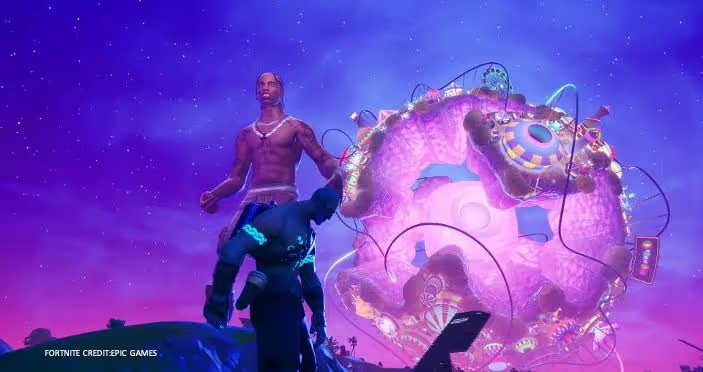
Epic Games broke its streaming records on 23 April when (according to their data) 12.3 million players logged-in to Fortnite to watch the live premiere of Travis Scott's "Astronomical" gig on the platform, beloved by a generation of younger gamers.
Across a series of events the concert, which featured in-game purchase options and teaser snippets of his new track "The Scotts", attracted a staggering 45.8 million views in the weekend that followed. Little surprise then that the track reportedly ranked #1 on Spotify the day it was released and headed towards the top spot on purchase and streaming charts in its first week.
This set a new benchmark for the level of engagement with in-game events and the ways in which they can be used and commercialised. Expect to see more artists and brands clamour to understand how they can leverage these types of events.
With a need for retail brands to create new and engaging experiences that elevate digital storytelling and forge direct connections with the communities they serve, whilst delivering strong commercial outcomes -what can we learn from this incredibly successful phenomenon?
We're going to be exploring this interesting topic in our very own live event on Thursday 21st May @ 17:00-18:00 BST, where we will be joined by Karen Cham, Professor of Digital Transformation and expert in human-centred design, who will explain how brands can leverage technologies that are long-established in the world of online gaming to increase reach, engagement and revenue - click here to register, it's remote (of course) and it's free!
To explore this topic we were joined in the first of our Biglight Briefings by Karen Cham, Professor of digital transformation and expert in human centred design.
Characterising herself as a mad inventor, Karen has had a varied career across a variety of contexts, but in essence is a human-centred designer who works with technology on what's happening next.
In her view, the coronavirus crisis has accelerated our thinking and the need for innovation, it has emphasised the need to be agile as a way of thinking, doing and being. She believes massive change is possible in a very short time if you think digitally and laterally.
During her interesting and highly entertaining presentation, supported by real-world examples and academic research, she explored the following topics:
To watch Karen's presentation click here - we hope you enjoy it as much as we did. It you'd like to get in touch with her directly, she'd be pleased to hear from you - just click here.
A big thank you to Karen for taking part and to our partners Tech Circus for their support.
Our next Biglight Briefing is on 24th June at 17:00 BST, when we will be joined by Will Page, former Chief Economist at Spotify to explore what retail can learn from the music industry's journey from potential oblivion to recovery.
As usual, it's remote and it's free!
Click here to register https://lnkd.in/g8G3xDS
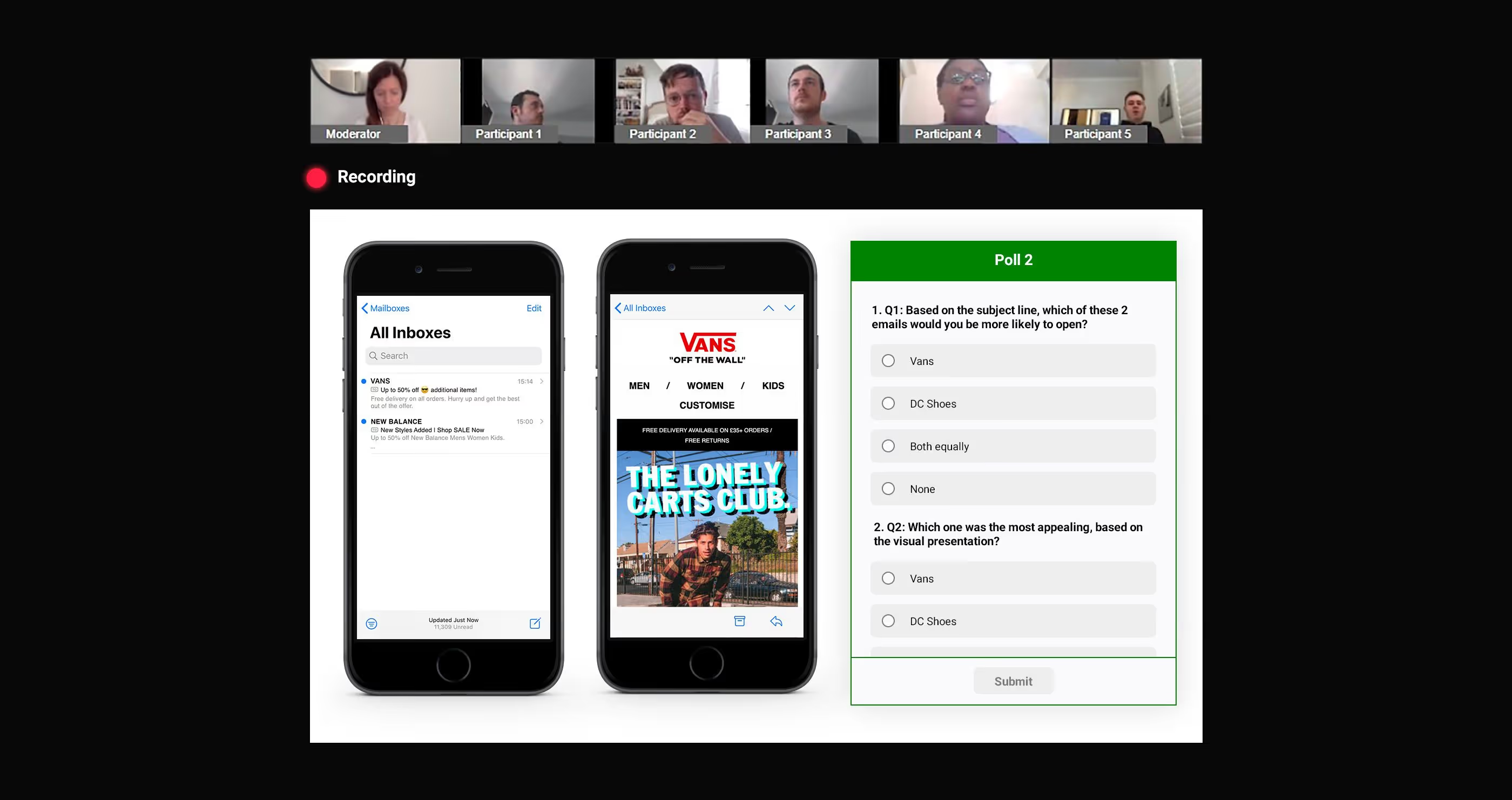
We've been using remote research methodologies for years now, but generally considered them to be inferior alternatives rather than comparable to in-person techniques - at least until the coronavirus crisis forced our hand.
As a result, we've switched fully - at least for now - to remote research methodologies and we've found that this has delivered encouraging benefits that may mean these techniques will play a bigger role in the future than we ever imagined.
In the past we used remote research methodologies only where the specific circumstances of a project demanded, for example, in response to constraints of distance, time or budget:
Distance
For projects requiring research across broad geographies, such as in the UK and US, where travel would have been impractical or too costly. In these circumstances, sessions were typically 1-2-1 interviews designed to assess participants' response to ideas or assets, rather than interact with new experiences.
Time / Budget Constraints
Where we needed results in a hurry, or budgets were really tight, by using unmoderated remote usability testing platforms and testing panels. This had become something of a rarity though, as clients valued more targeted recruitment and the behavioural insights that come with moderation.
But then the coronavirus crisis forced us to suddenly change course and quickly work out how we could extend the use of remote research techniques to deliver high-quality insights to our clients for a range of ongoing projects.
Our first task was to run a series of remote focus groups for Vans, during which we were to explore customer attitudes and response to the techniques brands use in email marketing and inform their CRM strategy moving forwards.
Firstly, the practical aspects. We had to adapt the remote technologies we use to replicate the techniques that are effective when running focus groups in the physical world - the ability for participants to meet, break the ice, interact with digital assets, complete live questionnaires and discuss and debate their views. This was relatively simple.
But, whilst none of these elements were new to us and we had focused on piecing them together to create a coherent remote setting - the big question was how comfortable the participants (strangers to each other) would actually be to meet, conduct tasks and interact in this alien environment.
By the end of the first session, we realised that the outcome was going to be even better than we had expected. In fact the remote focus group methodology we had developed yielded three significant benefits over research carried out in the traditional way:
1. Diversity of the participants
Yes, the unique circumstances in which we find ourselves in today, with over 50% of the UK workforce either working from home or furloughed, mean that the recruitment of participants for remote research is much easier than ever before. But that's not the point.
It was the removal of physical and logistical barriers, such as the need to travel to our London office, that meant that we were able to access a far more geographically and demographically diverse group of people that was more representative of the broader customer base.
Suddenly we could quickly understand the difference in attitudes between a London mum with two young children, a family with teenagers in Birmingham and a single lad from Manchester.
2. Quality of the discussion
We found that the participants responded better to the format and technology we used than before - a sign that the role video conferencing is playing in almost every aspect of our lives today may have changed expectations and behaviour. It just felt natural, participants seemed comfortable and took things in their stride.
But there was something else. Something about the environment nurtured a mutual respect between the participants, they warmed quickly to each other, listened attentively to each others' experiences and points of view and engaged in balanced group discussion. No sign of Dominant Talkers, Shy Participants, or Ramblers here.
The result was valuable input from participants that helped us understand the overall response to the questions they were asked and the tasks they were given, as well as the differences between them. Without the compromise we expected.
3. Efficiency of observation and note-taking
We always live stream our customer research activities, whether in-person or remote, so clients who can't attend can participate. But those who observe remotely are generally passive and the real action is in the room from which the sessions are being controlled.
The impact of everyone involved in the project viewing the sessions remotely was significant. There was a significantly level of engagement between them as the sessions progressed and the shared digital workspace made it easy for people to collaborate in real-time note-taking without distraction, so that observations and insights were collated faster.
And it was ecologically efficient too - nobody travelled anywhere (particularly relevant to us with our international client-based) and with a full recording available to those who were unable to join, everyone can still experience the day, regardless of where in the world they are.
The results from this first series of focus groups have given us the confidence to continue to adapt all of our other research methodologies to suit remote execution. It means that, as we continue to develop more comprehensive remote testing strategies, we know that - executed correctly - the quality of the insight we provide will not only be as good as in-person research but, in some circumstances, even better.
As a consequence, as we consider the longer-term, when we've (hopefully) moved on beyond this crisis, we can easily imagine a world where remote techniques are used much more extensively in customer research, allowing us to generate results faster than before, become more granular in our participant recruitment criteria and expansive in terms of our ambitions for geographies and timezones.
It won't replace in-person research completely, where up-close tangible interaction and the ability to capture biometrics add their own benefits, but it will certainly play a much bigger role in the future than the role it played in the past.
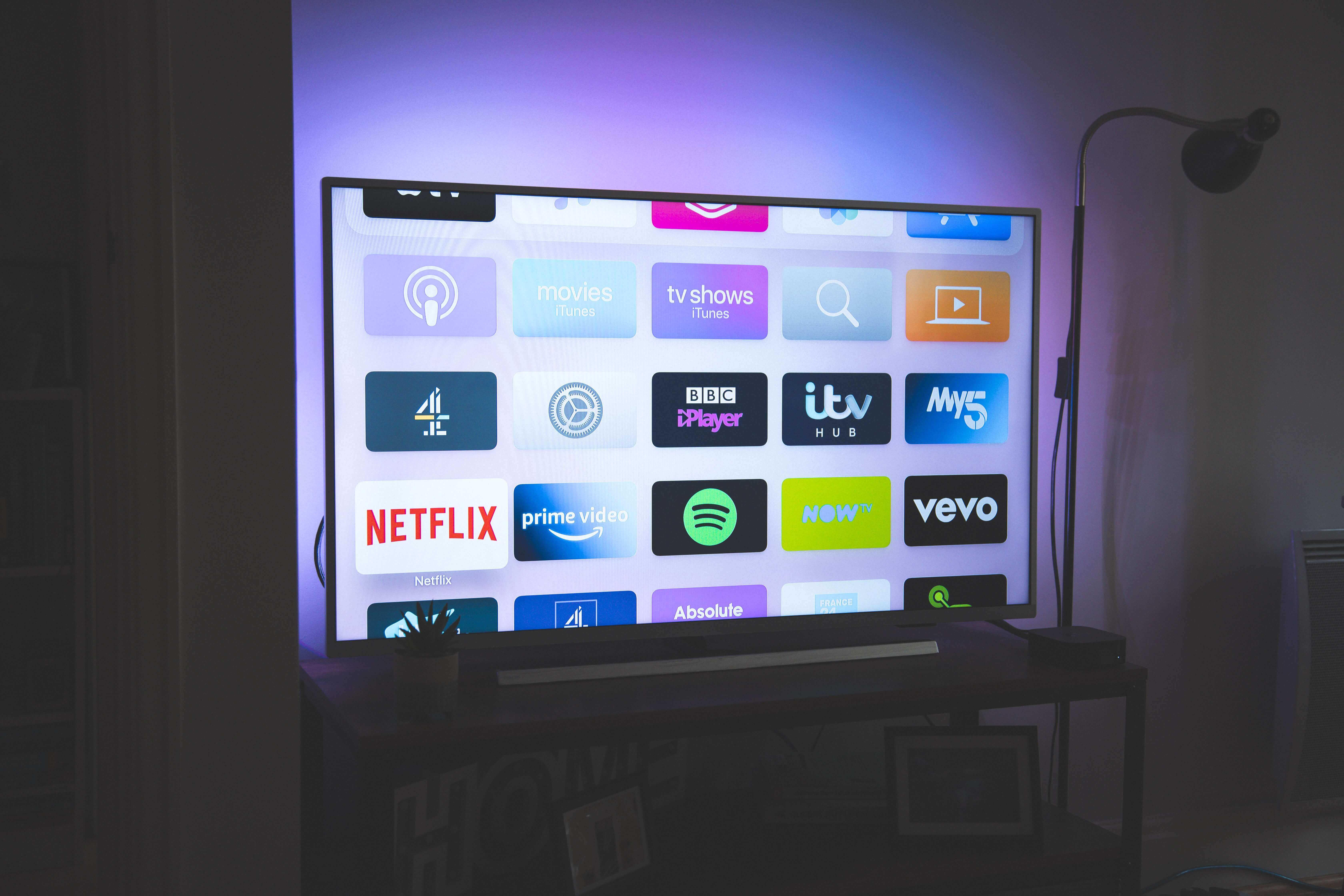
In our Biglight Briefing on 7th October, we were joined by Simone Barsky Nili, Product Director at Discovery Inc. Together, we explored the strategies entertainment media brands are employing to adapt to rapidly changing customer needs during the COVID-19 pandemic - and identified a number of lessons retailers can learn along the way.
Lockdowns and stay-at-home orders worldwide accelerated structural change in the media industry, with media brands increasingly focused on driving digital content revenues through subscription on demand services (SVOD) - to offset plummeting TV and online advertising income and the closure of traditional distribution channels.
Like retailers, they have been forced to adapt quickly - to both rapidly changing customer needs and behaviours, and a commercial reality in which acquiring highly engaged, loyal customers is vital to success.
Simone drew on her own experiences in launching and growing video on demand services, to explore the customer experience innovations that have enabled media brands to turn adversity into opportunity - powering an unprecedented 55% growth in video on demand revenues during 2020[i].
She pointed to a number of key focus areas for these media brands, and the accompanying lessons for retailers seeking to reimagine the online customer experience:
If you couldn't make the session, you don't have to miss out on these insights and more. You can watch the whole session here - and we hope you find it as interesting and enjoyable as we did.
A big thank you to Simone for taking part and to our partners Tech Circus for their support.


